Zumo
Milestones
- New Branding
- Workflow Documentation
- Implemented Design Tokens
- Built Use Tokens Plugin
- Custom Documentation Site
Reimagining our Design System
Our design system at Lulo was starting to quickly become more relevant for teams across the organization, which demanded better workflows for the way we were making sure designs were consistent between design and development. Inspired by recent research and deep diving into how design system teams worked in different companies throughout the world I wanted to elevate the systems craft to make it as world-class as possible. For this, I advocated for having dedicated resources to maintain and grow the design system effort in Lulo, successfully gathering a team of developers, product management and myself as a dedicated designer who focused on improving the user experience for designers and developers with the Design System while also improving the usability quality of our products.
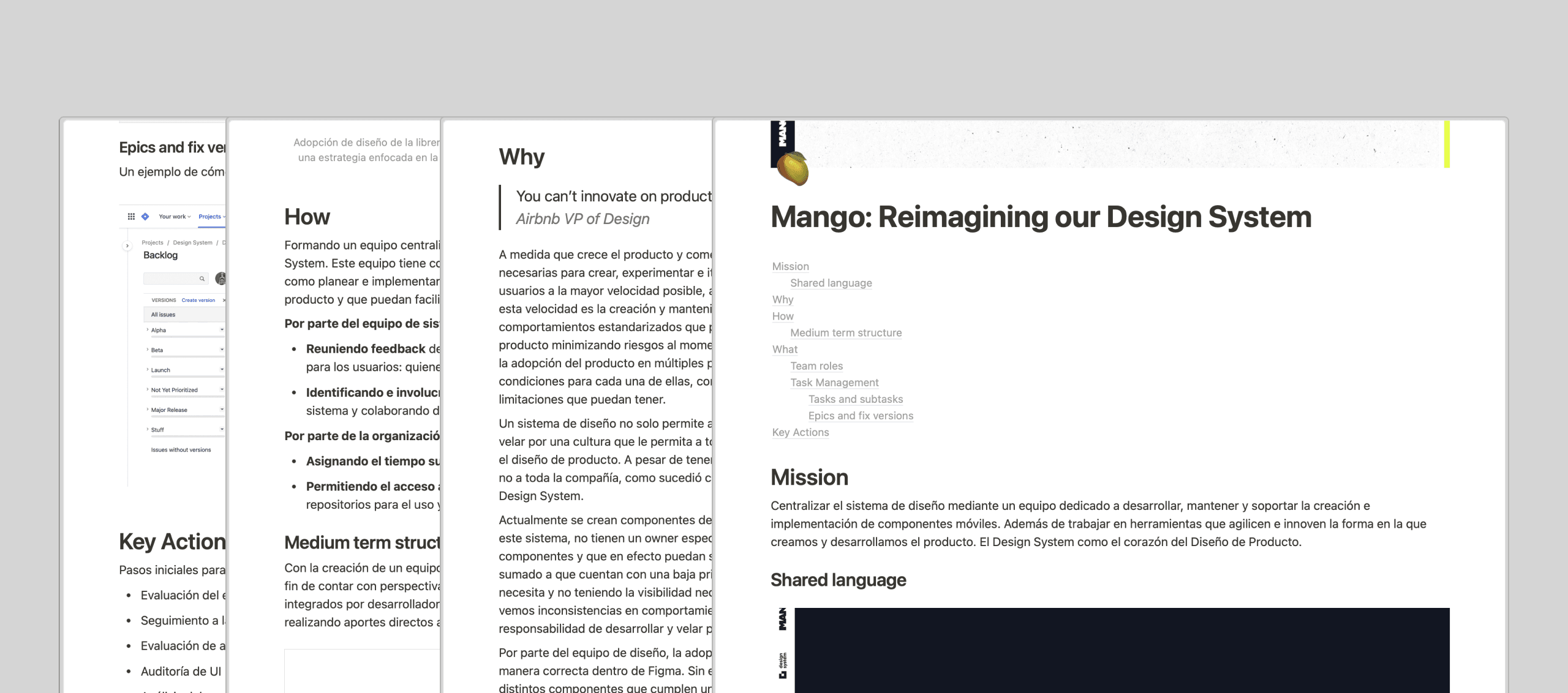
Meet Zumo
I ran a couple of workshops with design and leadership teams to collectively think about a name for our design system. Zumo stuck. I then went on and quickly designed an identity to replicate in all of the upcoming initiatives related to our Design System at Lulo.
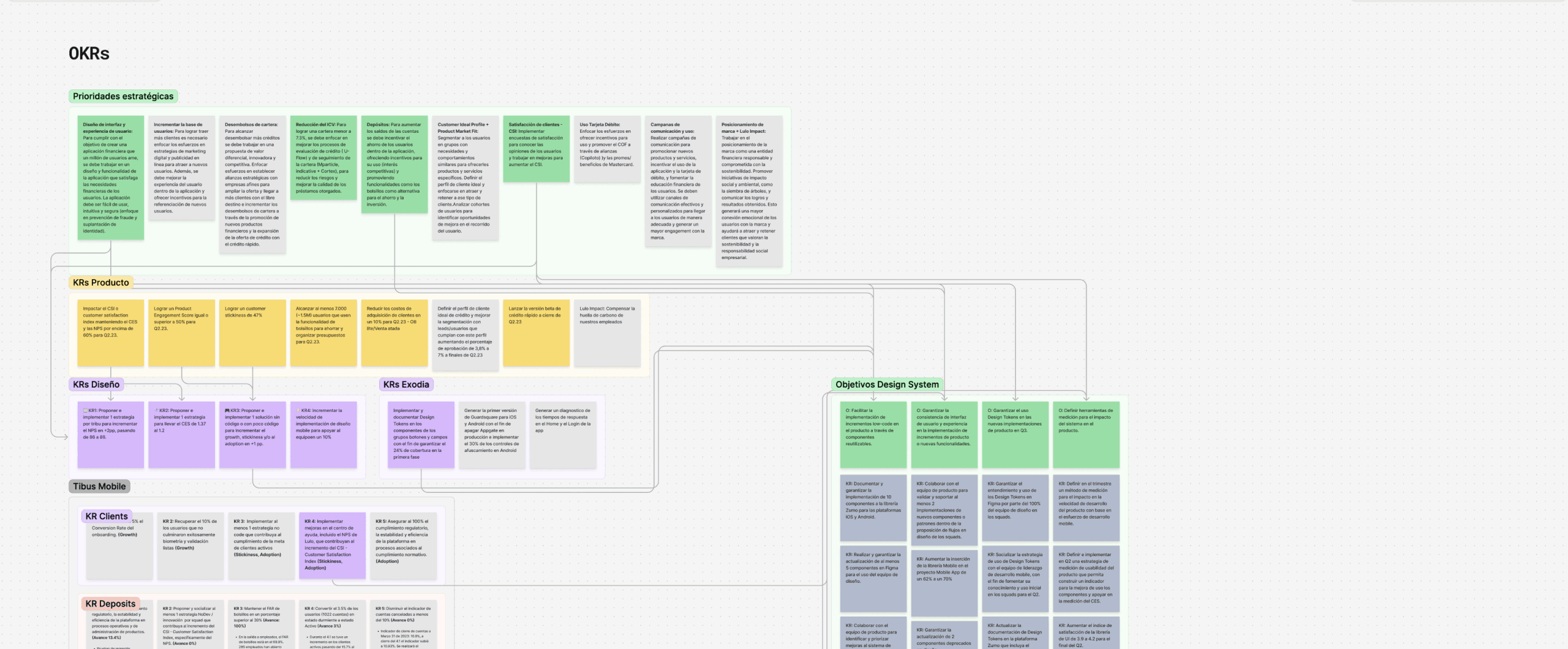
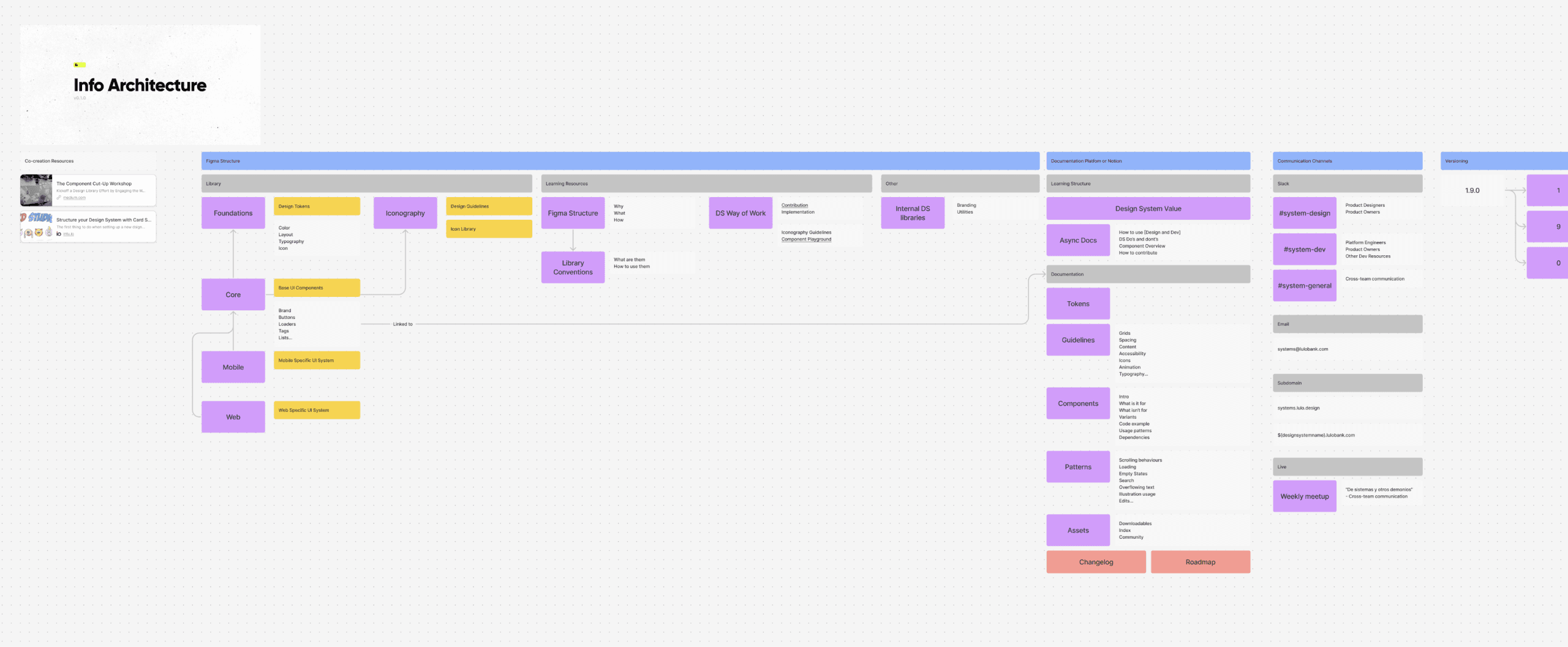
Improving usage and contribution
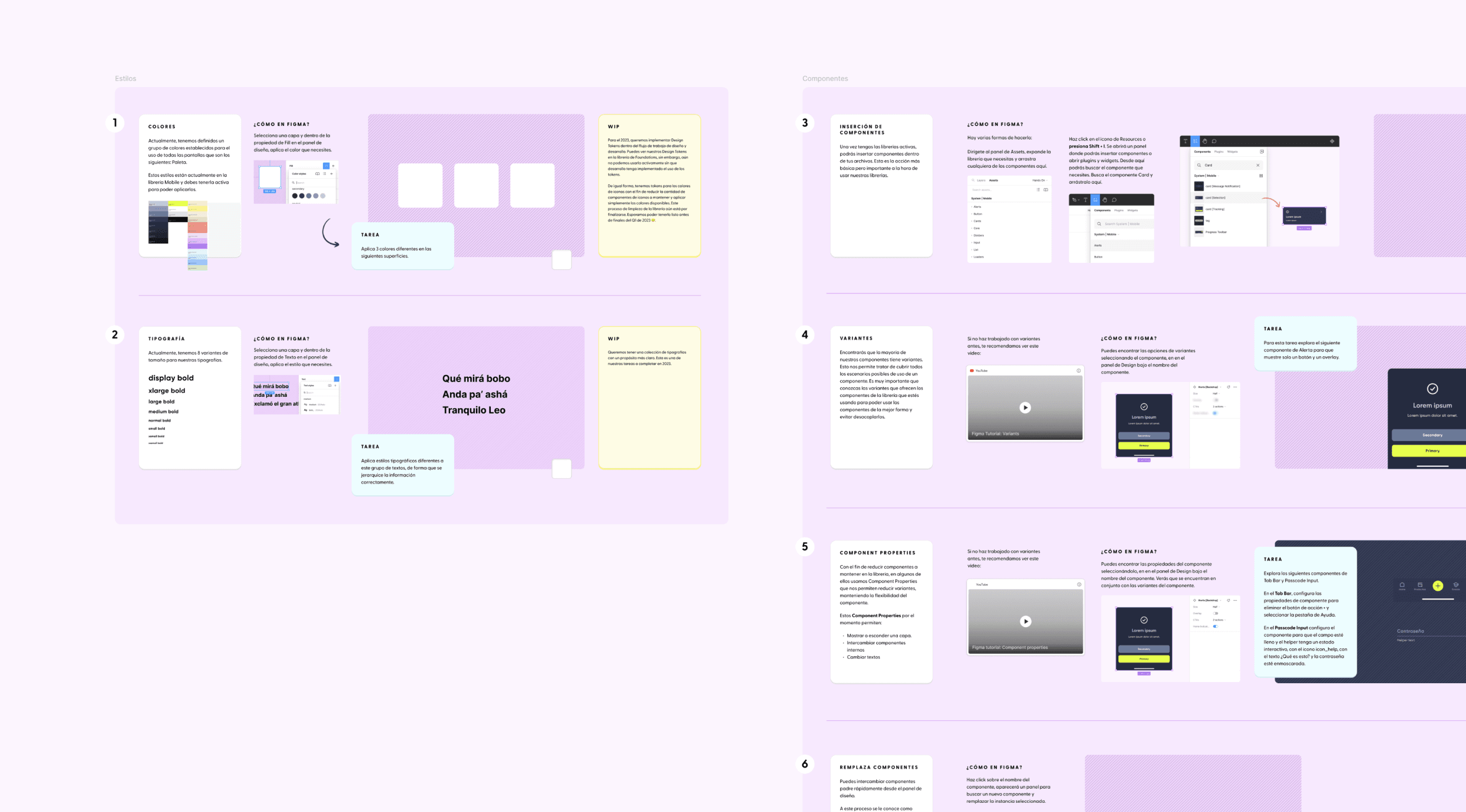
Through documentation and hands-on walkthroughs and guidelines I encouraged designers and developers in different teams to contribute to the design system with different approaches such as component documentation, bug reporting and fixing component creation and icon design.
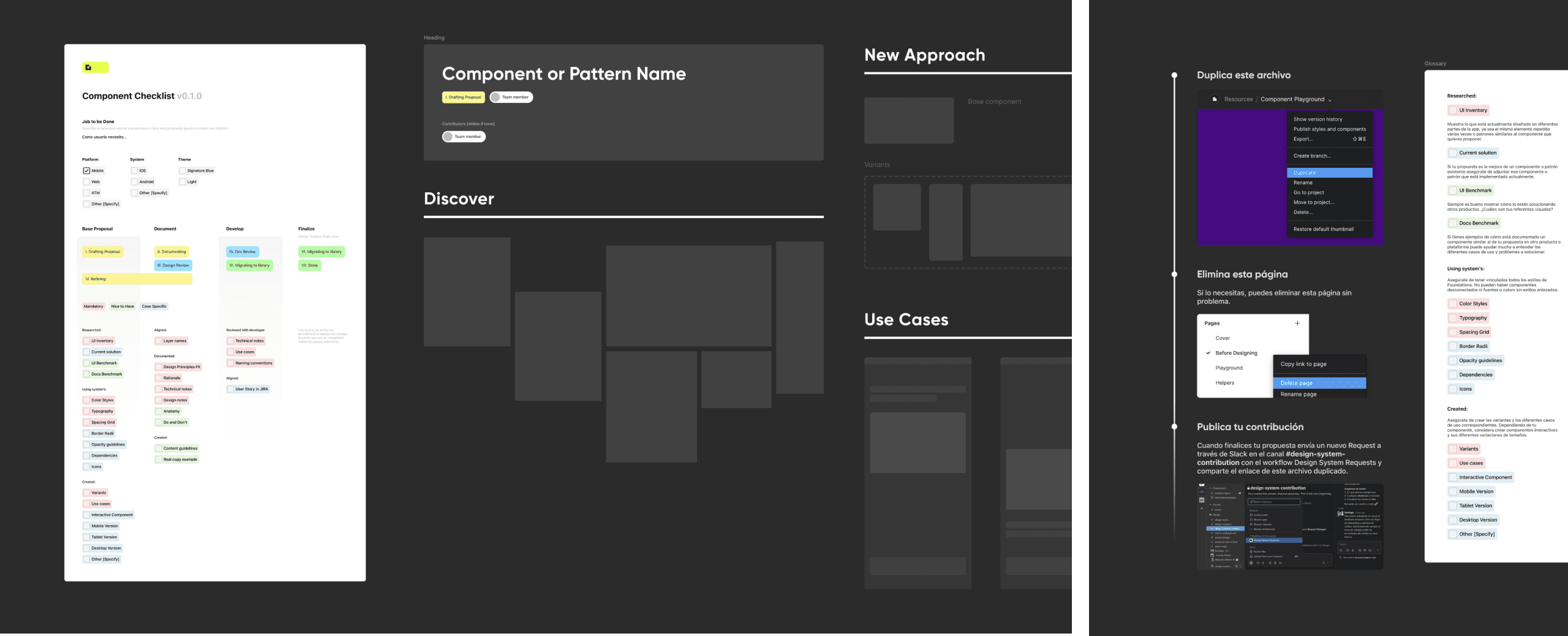
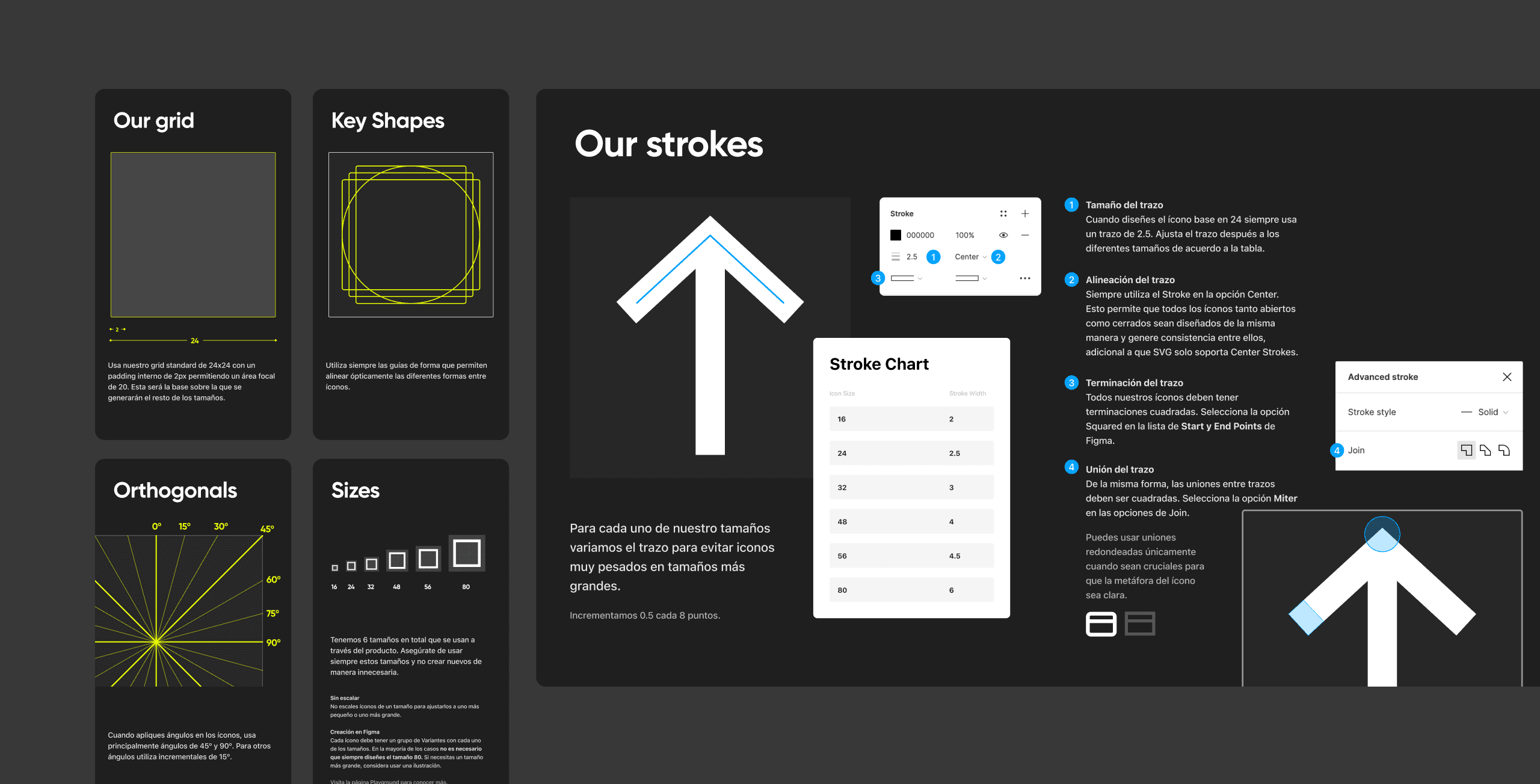
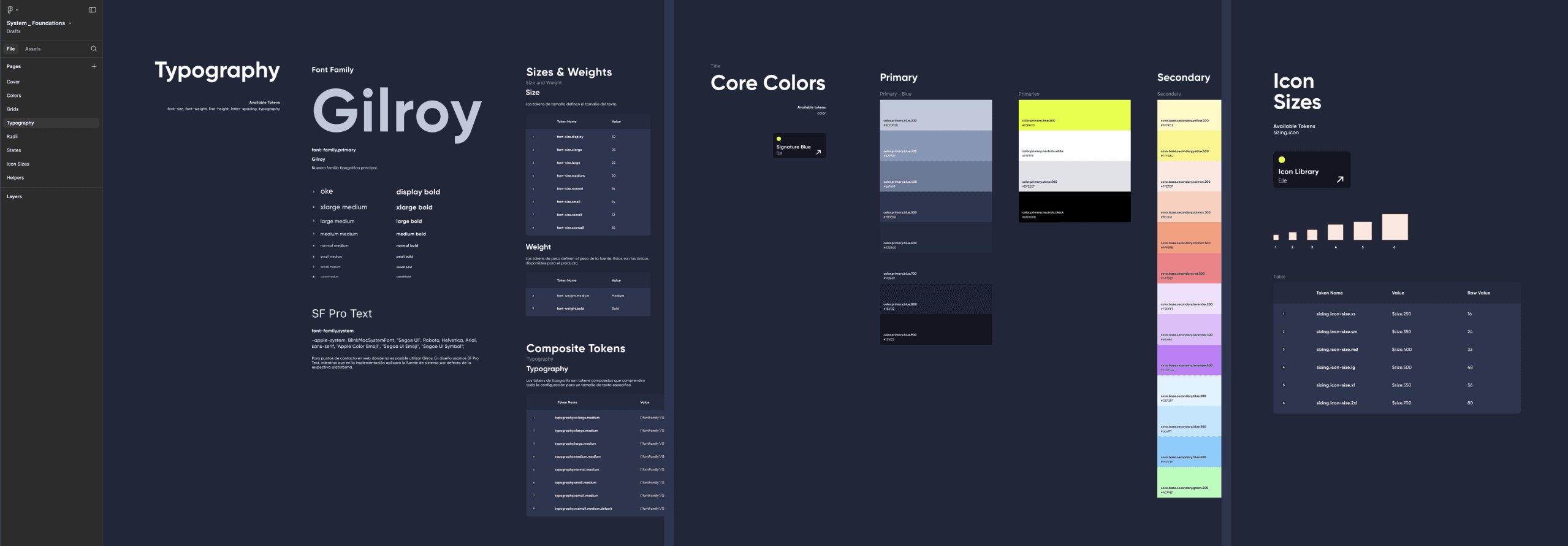
To enable easier library management for designers across diferent products, the main library file was divided into modular pieces that could be added independently based on whatever project and platform the designer was working on. We now had differnet libraries for Foundations, Core Components, Mobile Components, Internal Utilities, planning to add other specific libraries such as Web Components, ATM Components and additional color themes.
Zumo Advocates
We also launched Zumo Advocates, which awarded contributors a set of points and awards depending on the task they completed. This encouraged people across teams to continously contribute in both design and development teams.
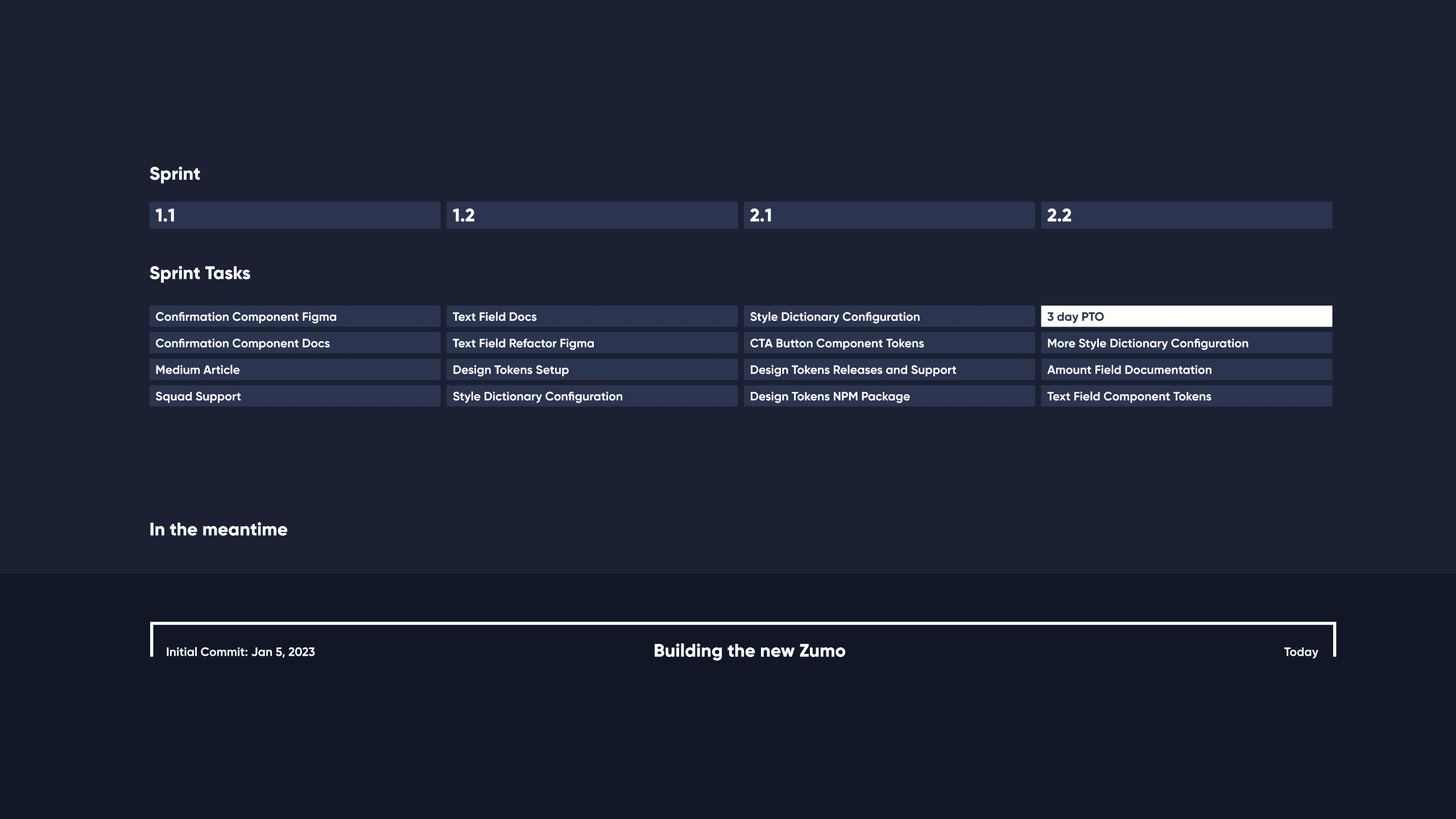
Introducing Design Tokens
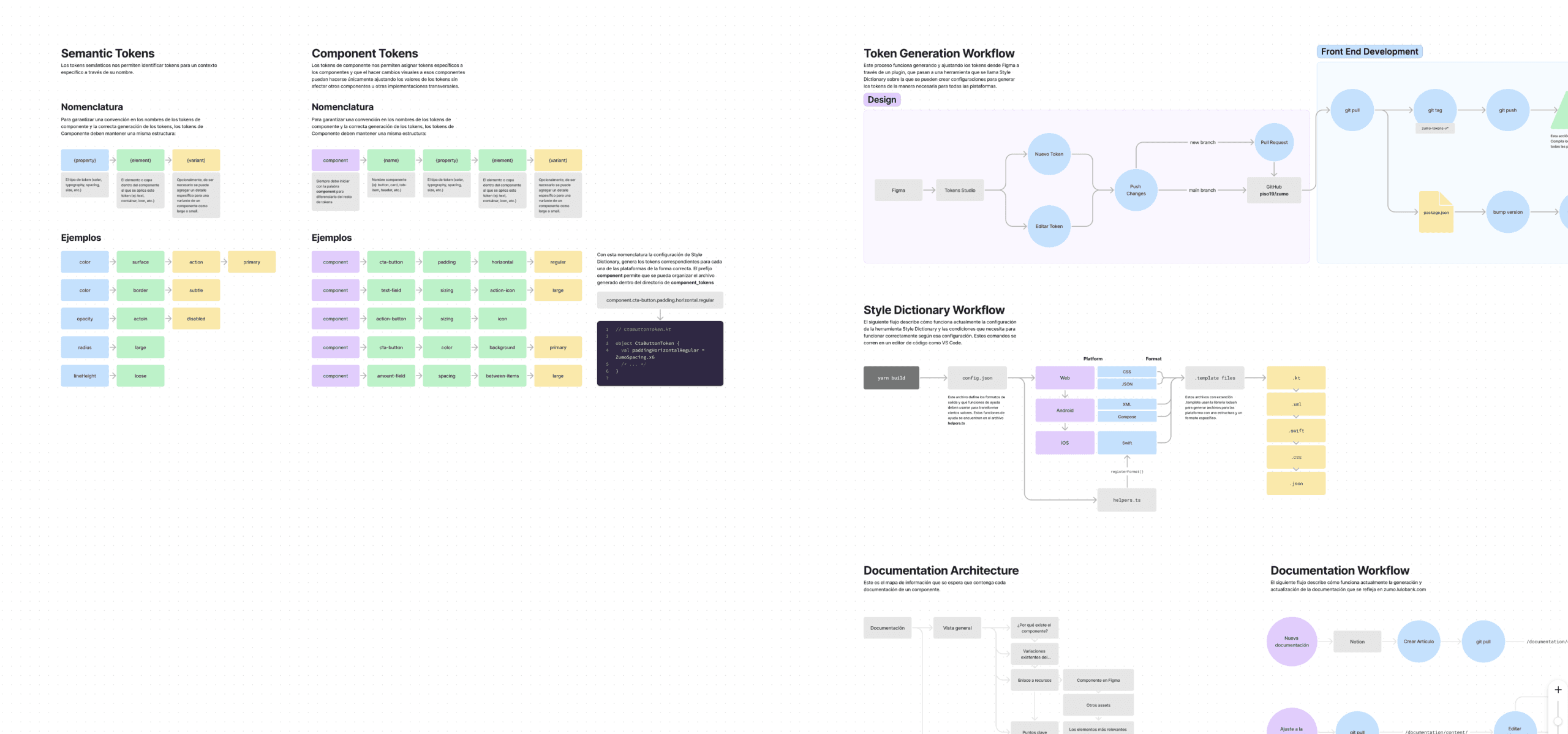
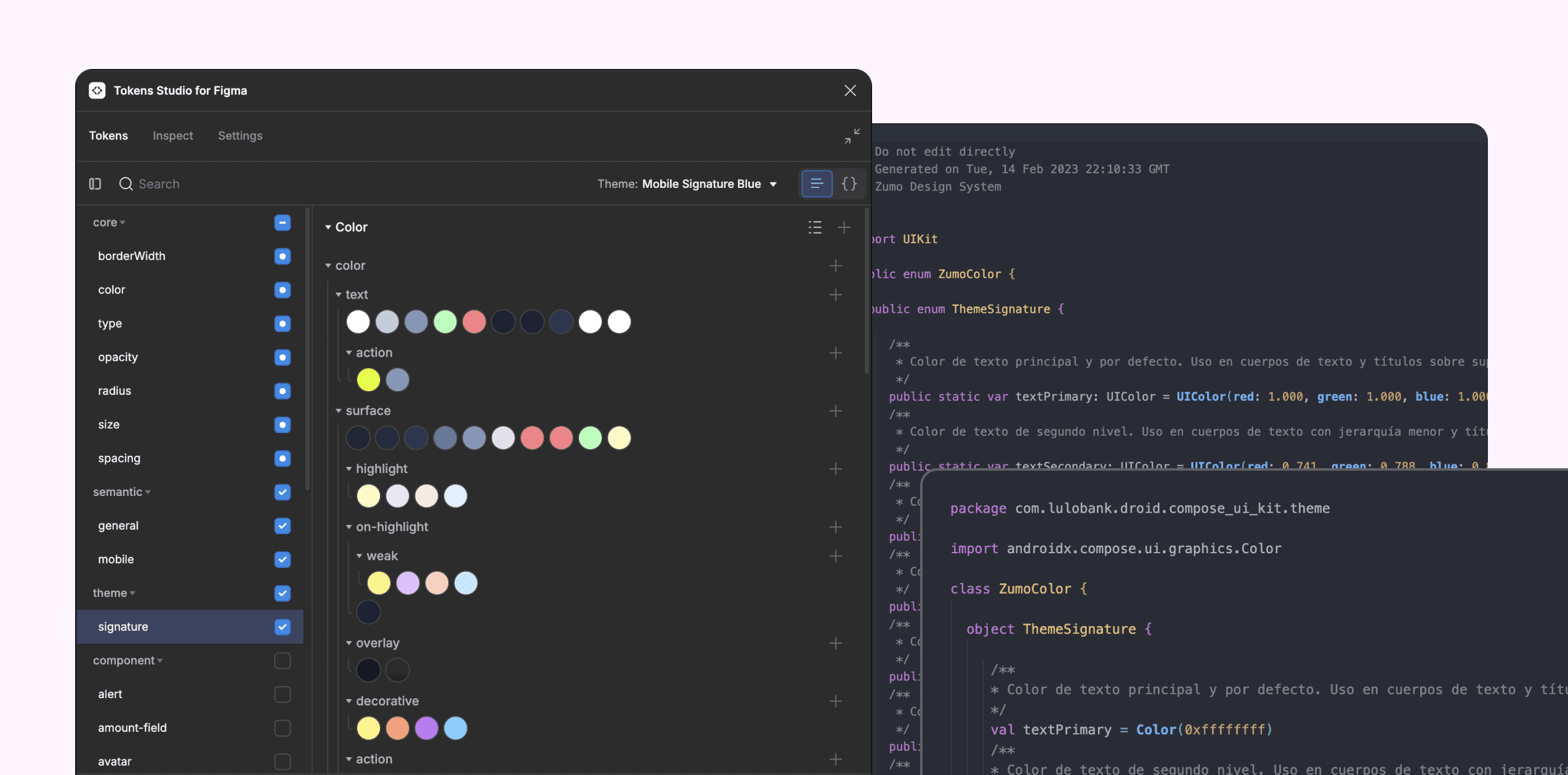
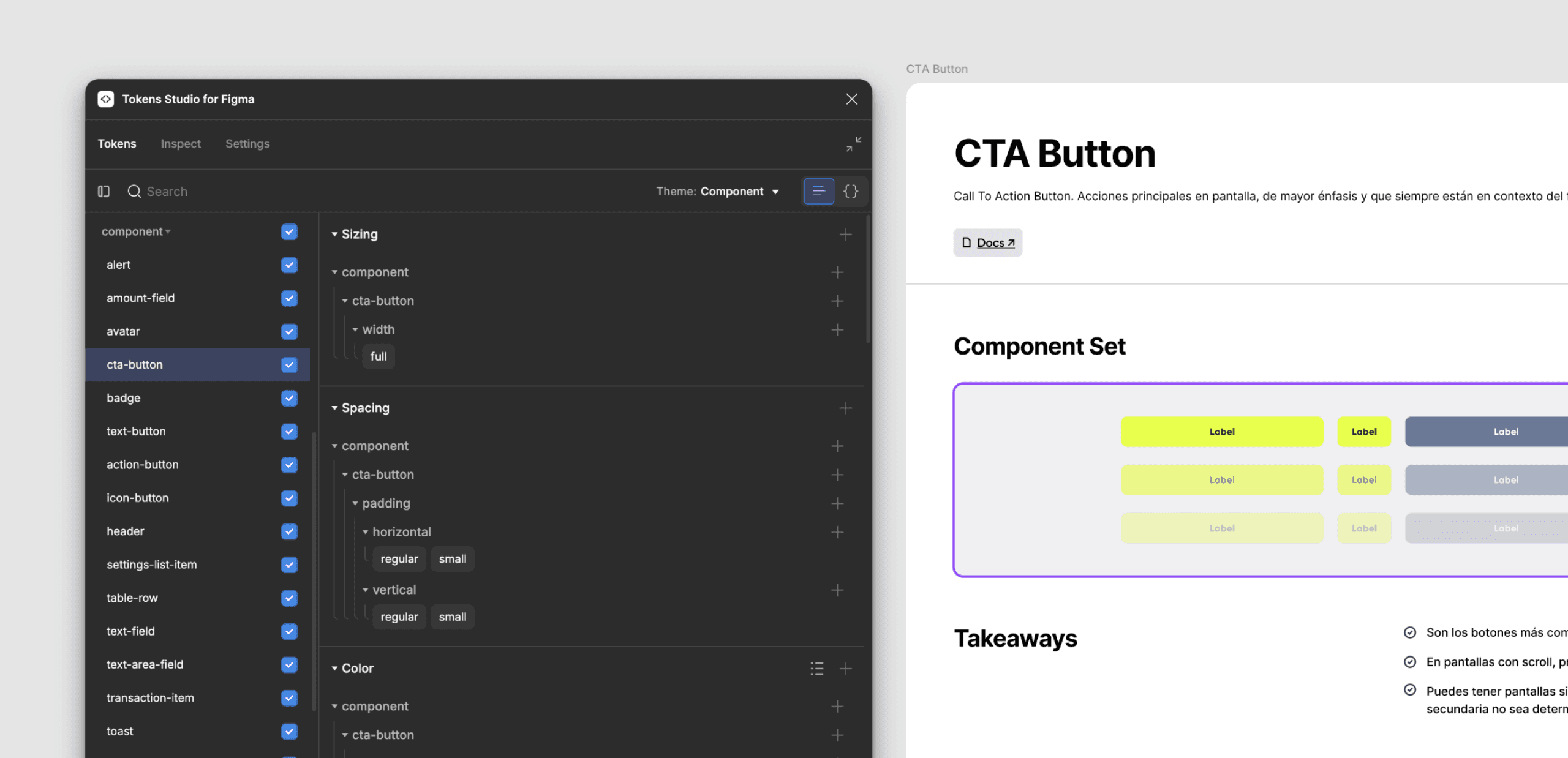
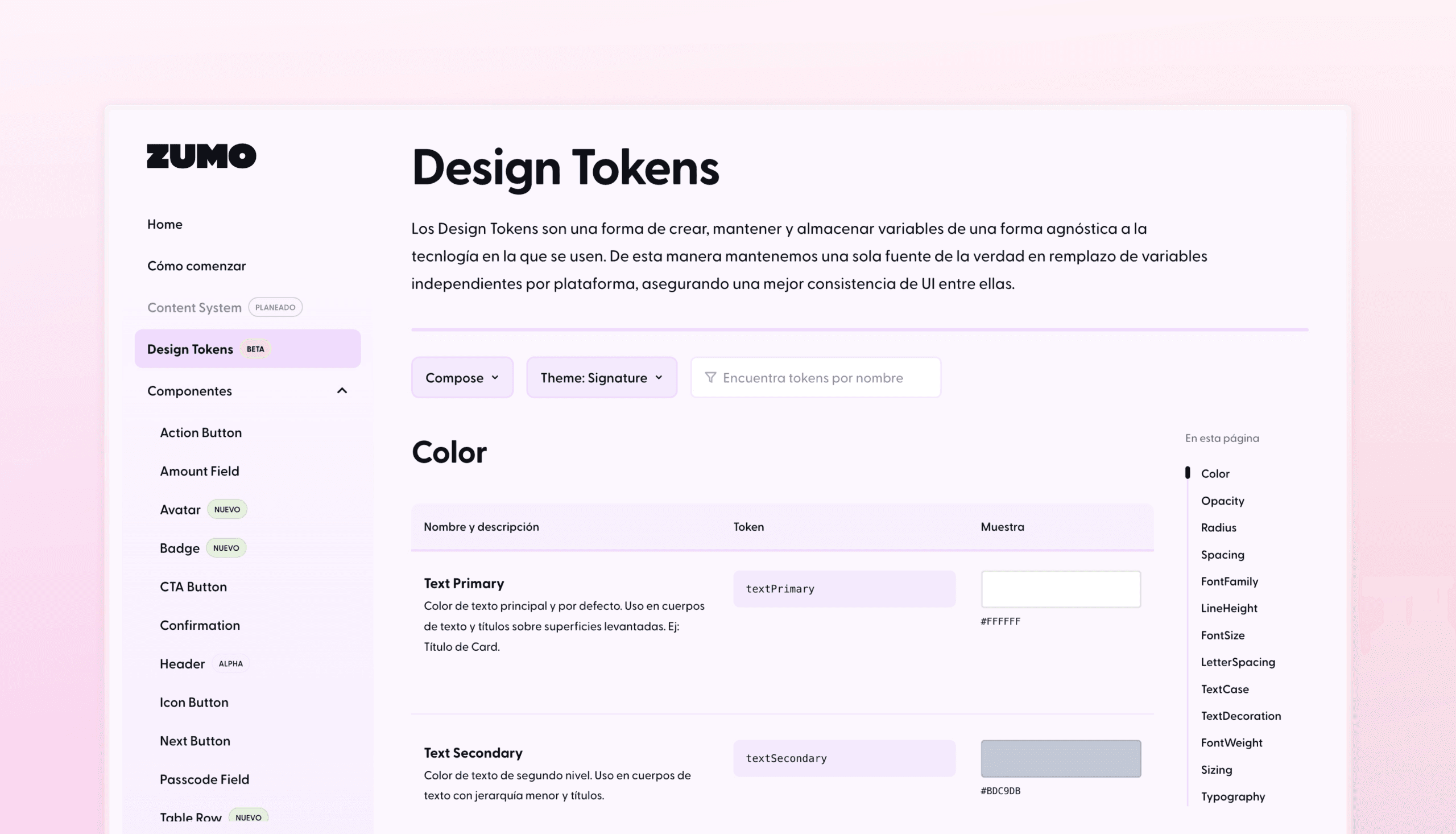
One of our biggest milestones was successfully implementing Design Tokens across design and development teams. The greatest challenge was to get this to work on native apps as resources and documentation about that specific use case. With lots of trial and error we managed to happily translate our JSON tokens into their corresponding Swift, Compose, UIKit and XML counterparts.
Use Tokens
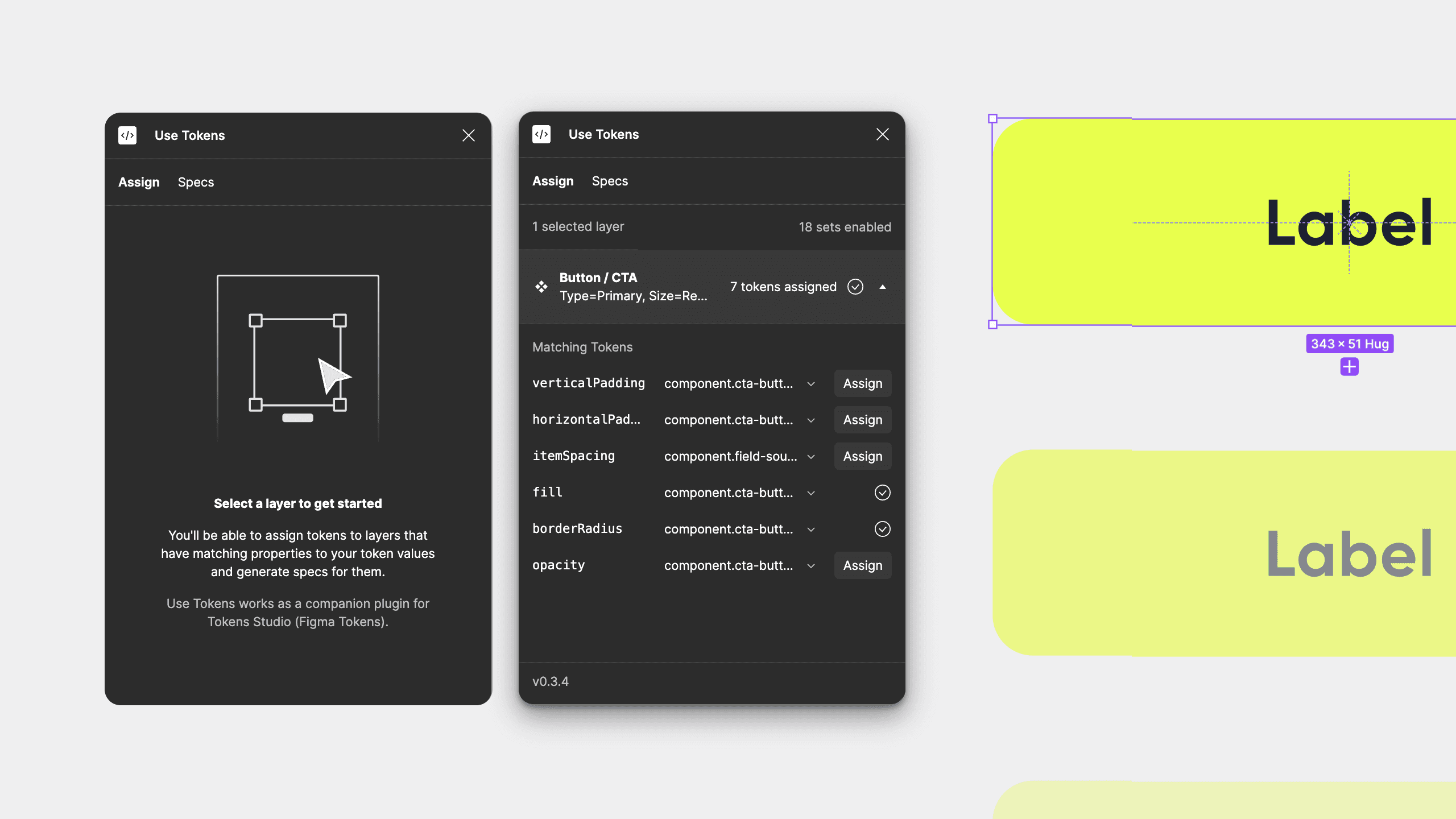
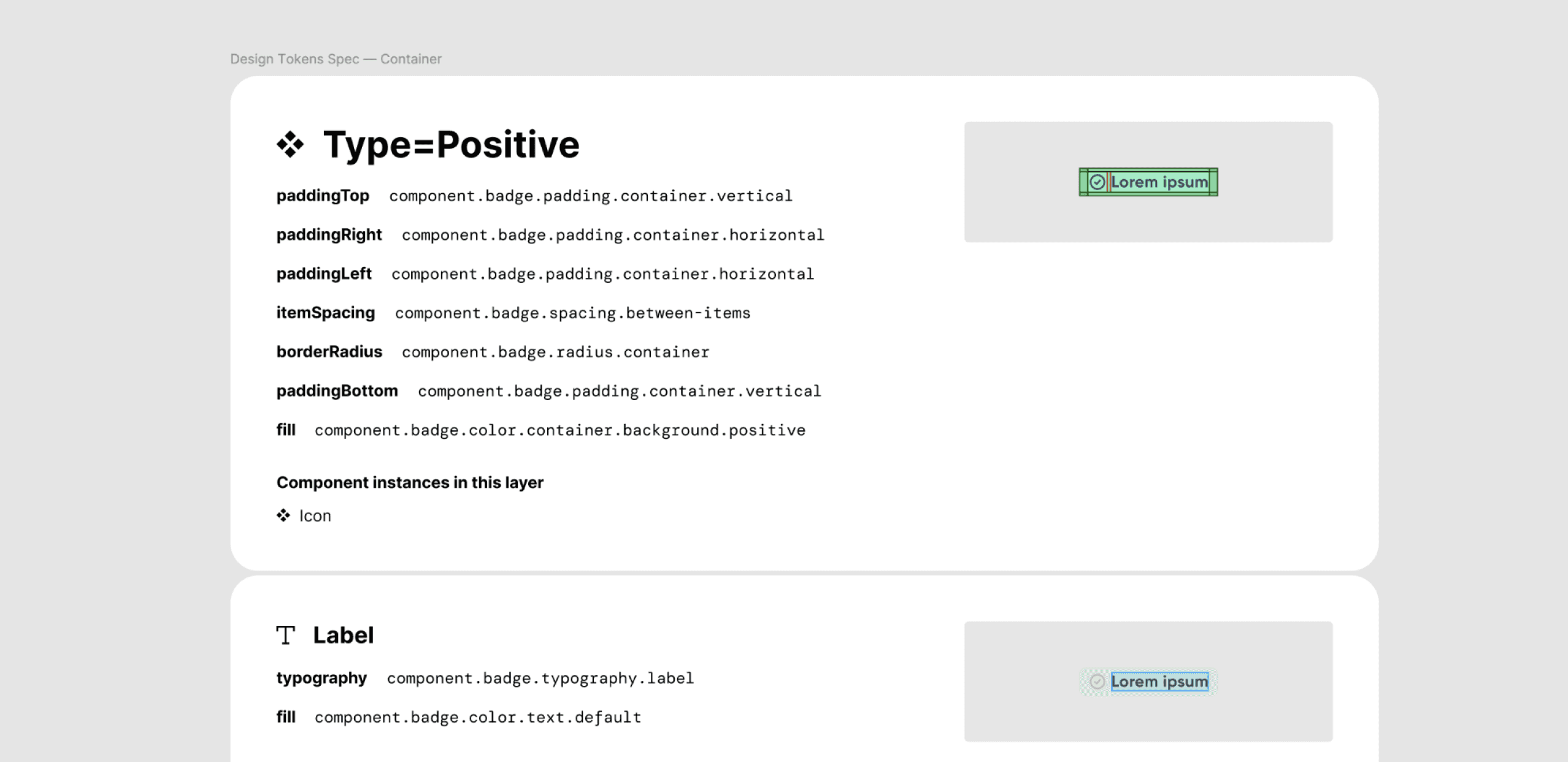
As tokens started to get implemented and used by designers across different teams, documentation was crucial to ensure correct token usage on the developer side. To make it faster and easier for designers to apply this tokens to their current designs I built Use Tokens. Until now, I've been distributing it through a private beta.
The new docs
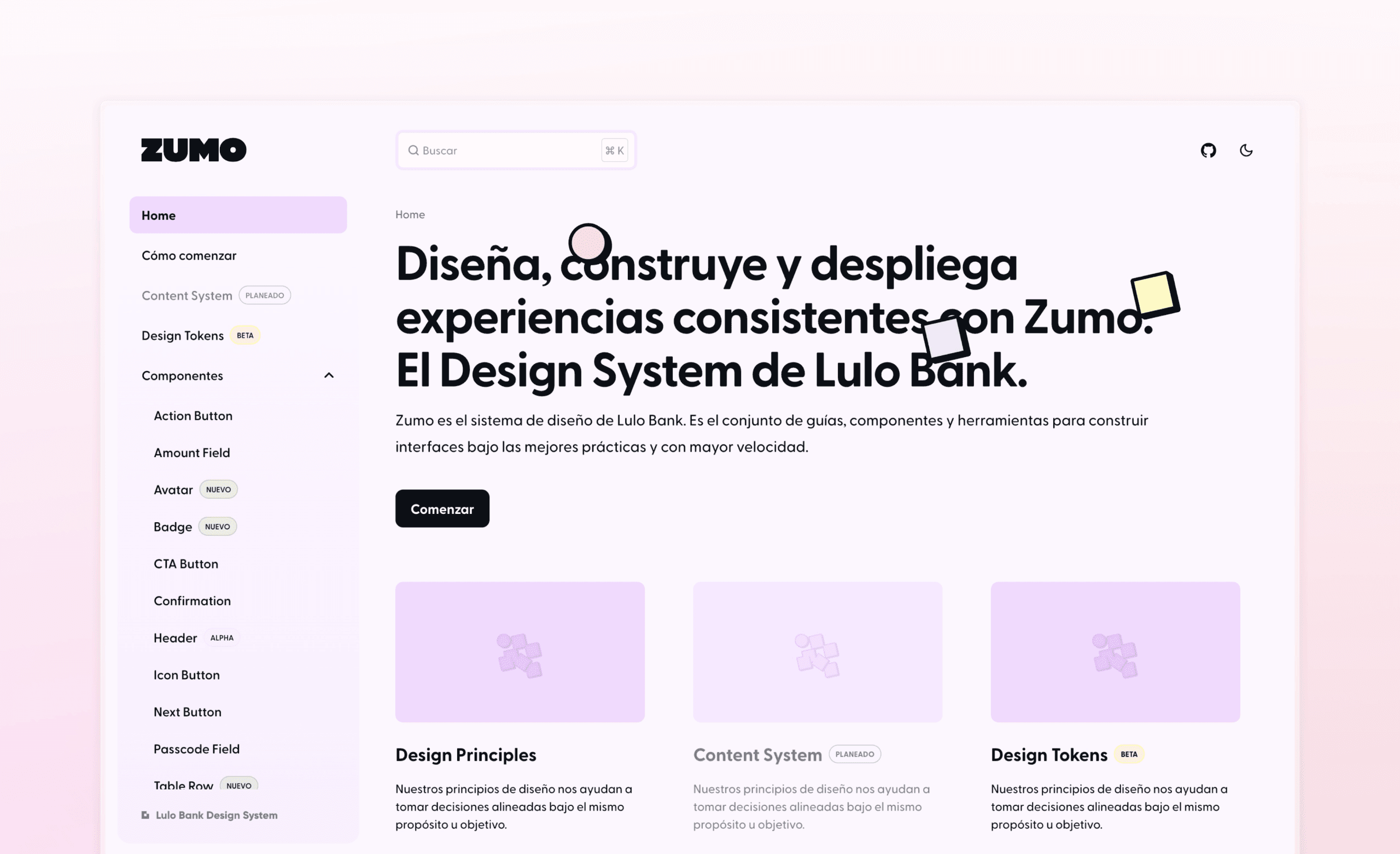
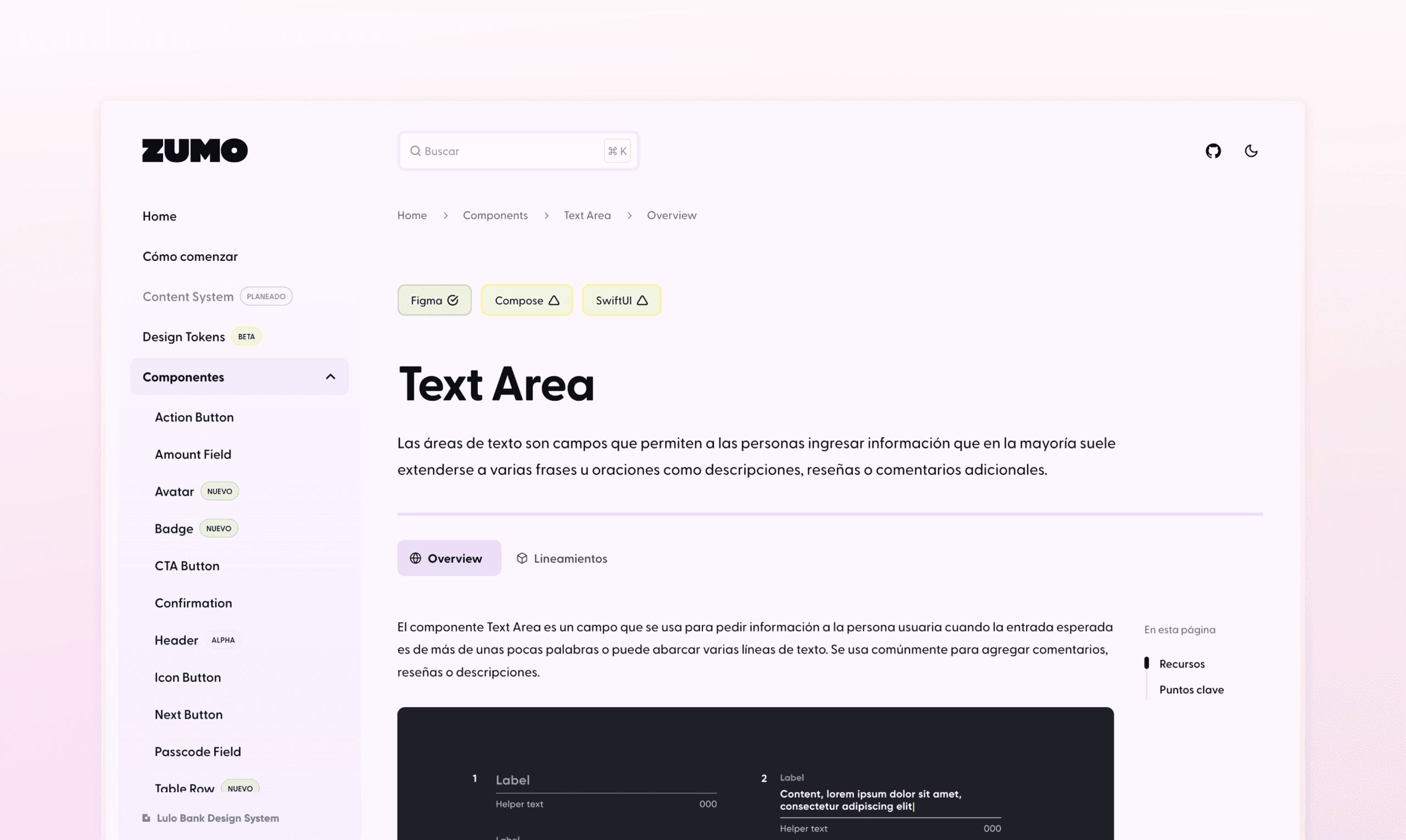
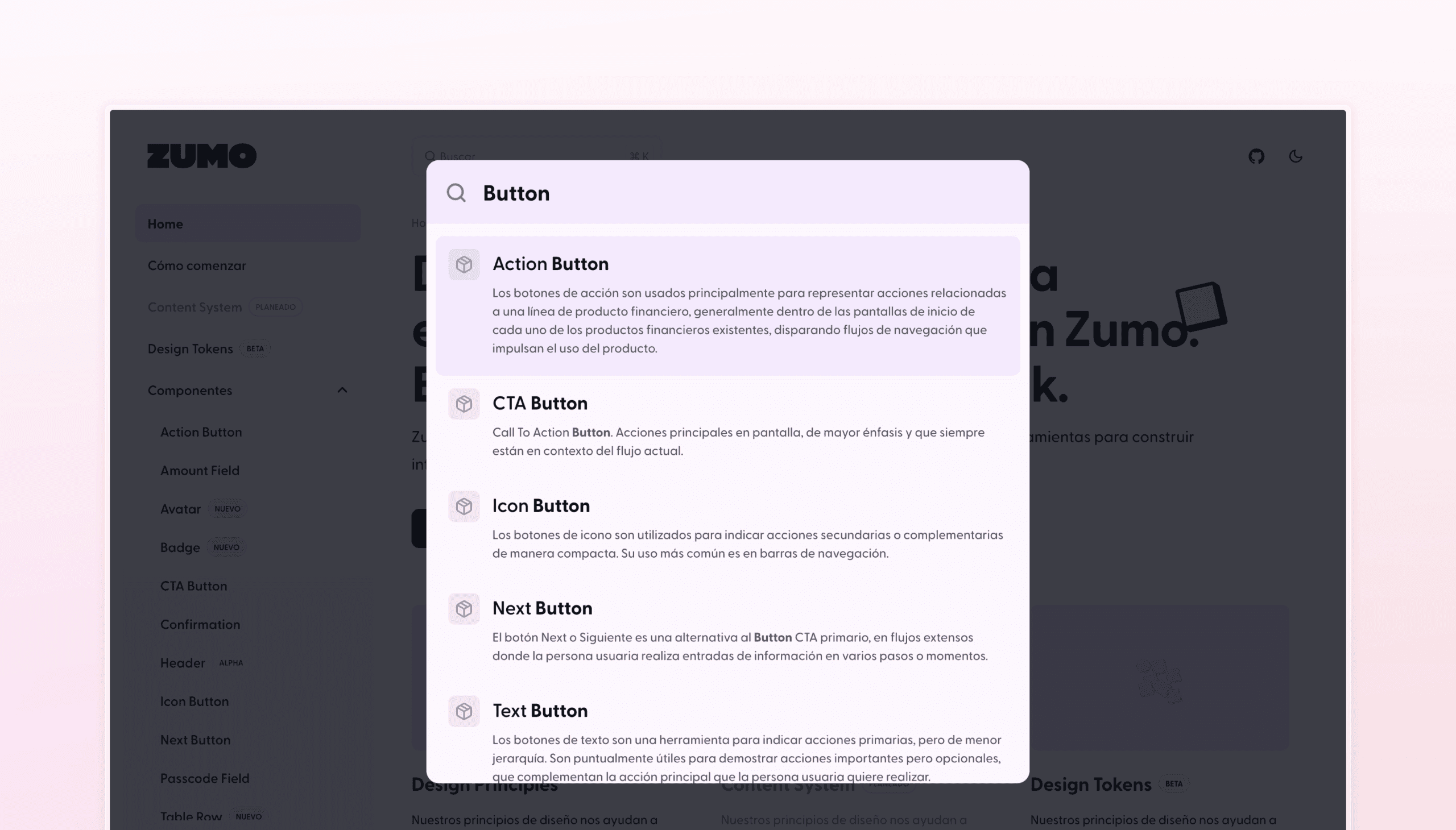
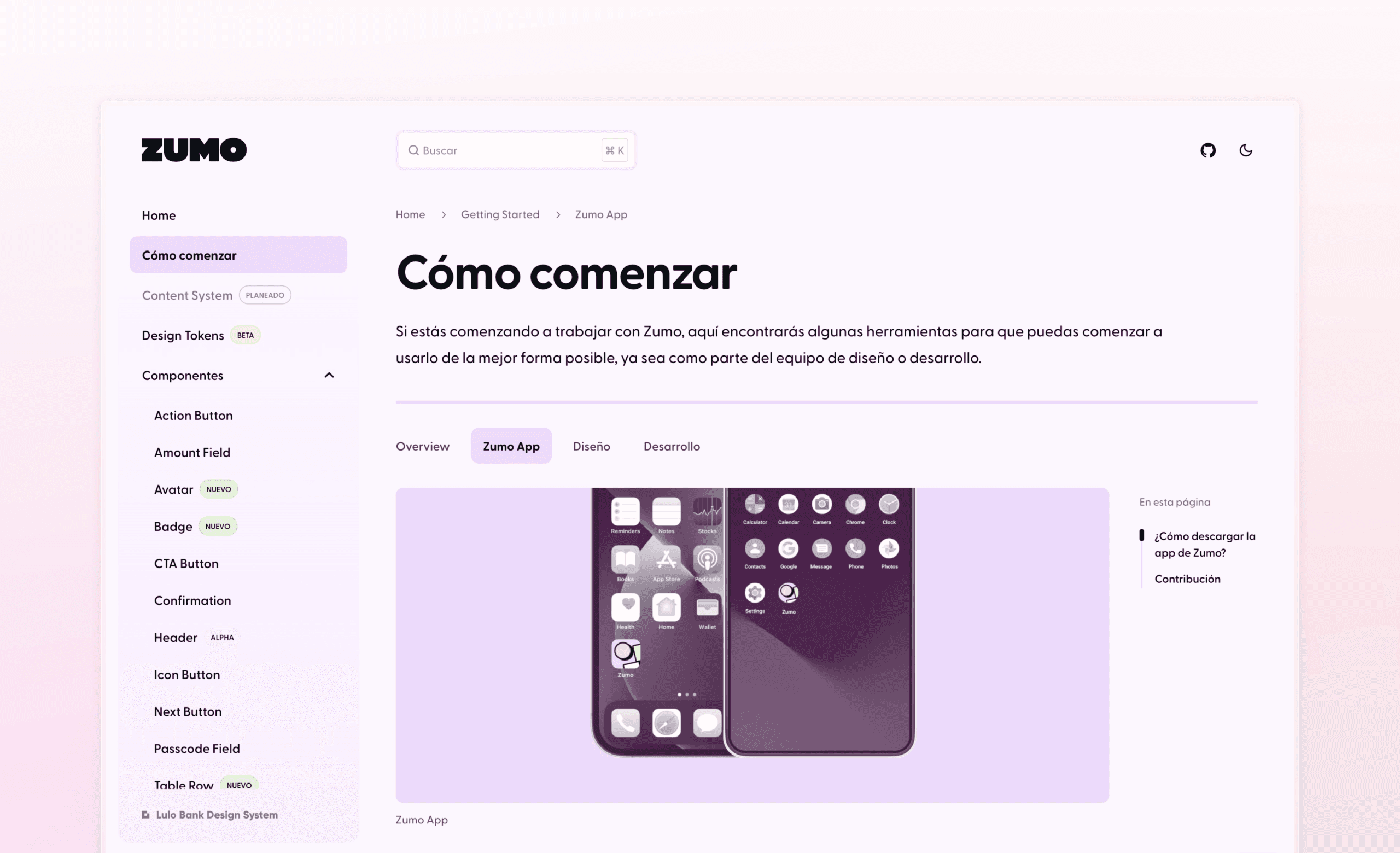
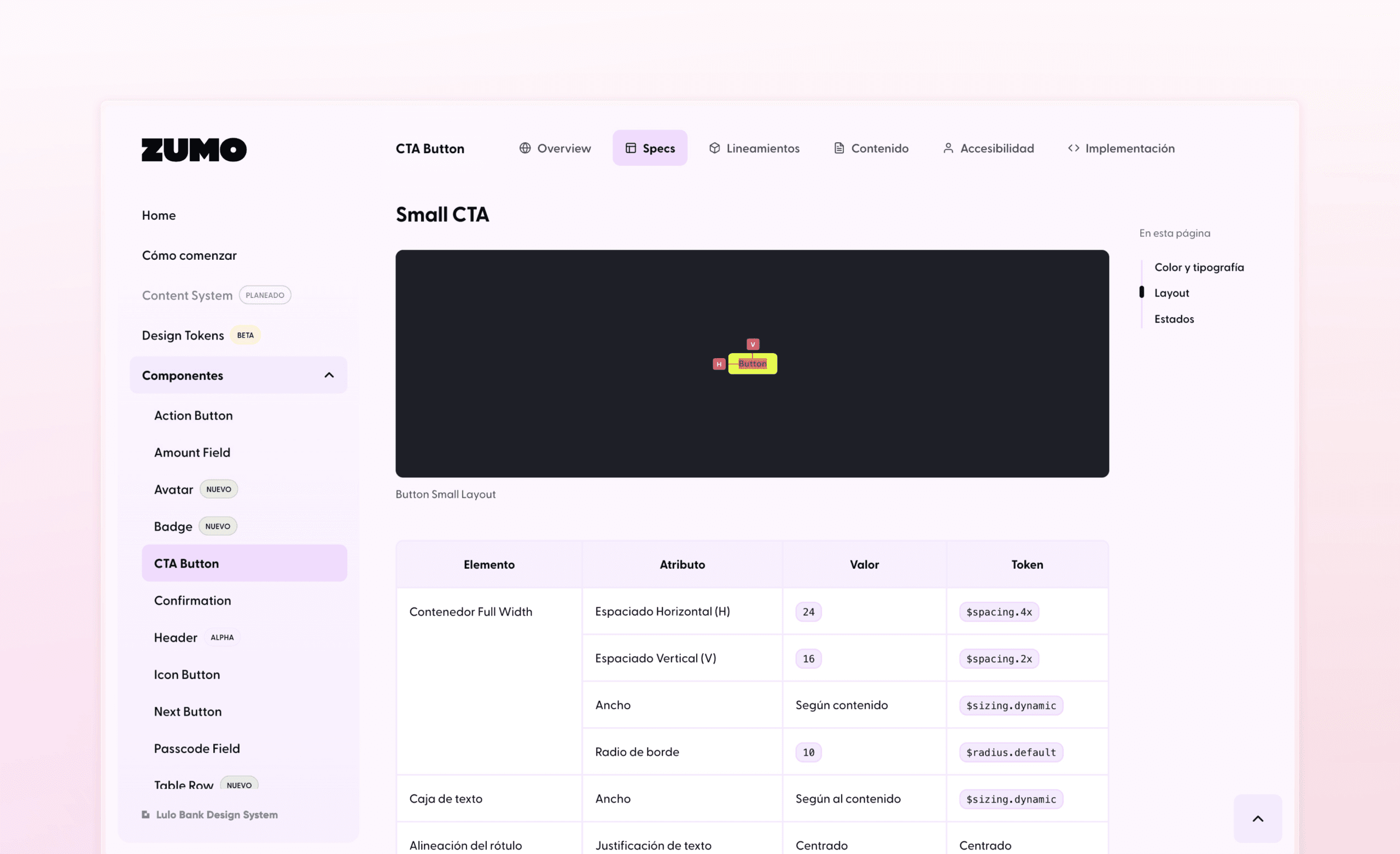
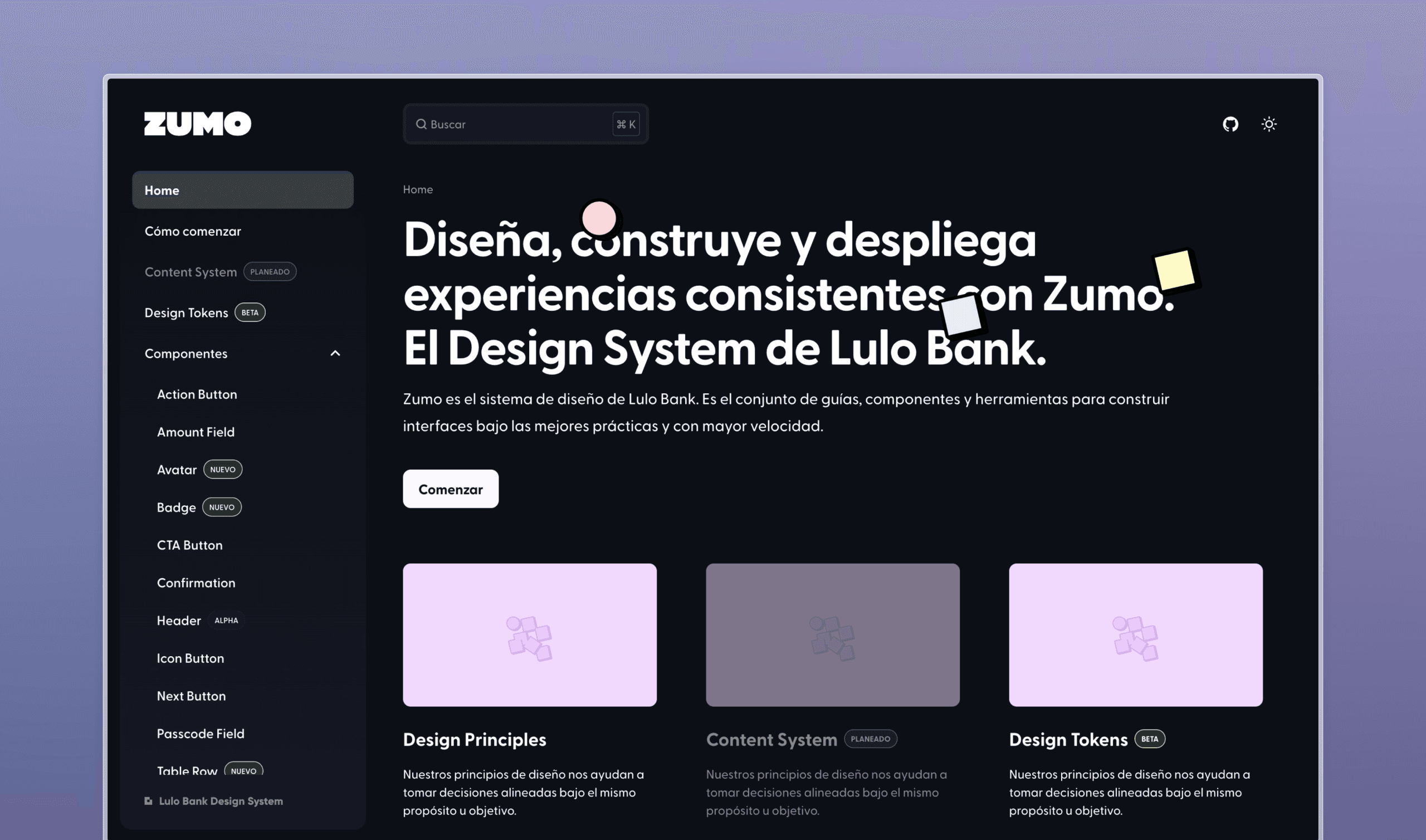
Early in the process of elevating the design system quality I quickly developed a docusaurus site to publish component documentation for designers and developers. This tool, although useful, quickly became very limited and uncompatible with our goals. For this reason I spent a couple of months building our own custom documentation site from scratch, ensuring it had all the features we dreamed about.
The future of Zumo
Before I left Lulo Bank, Zumo was heading to a very good place. Our next goal was to turn all of our design tokens data into a global API callable from anywhere in our product so updates were injected immediatly without the need of users updating their apps to see the most recent changes.